
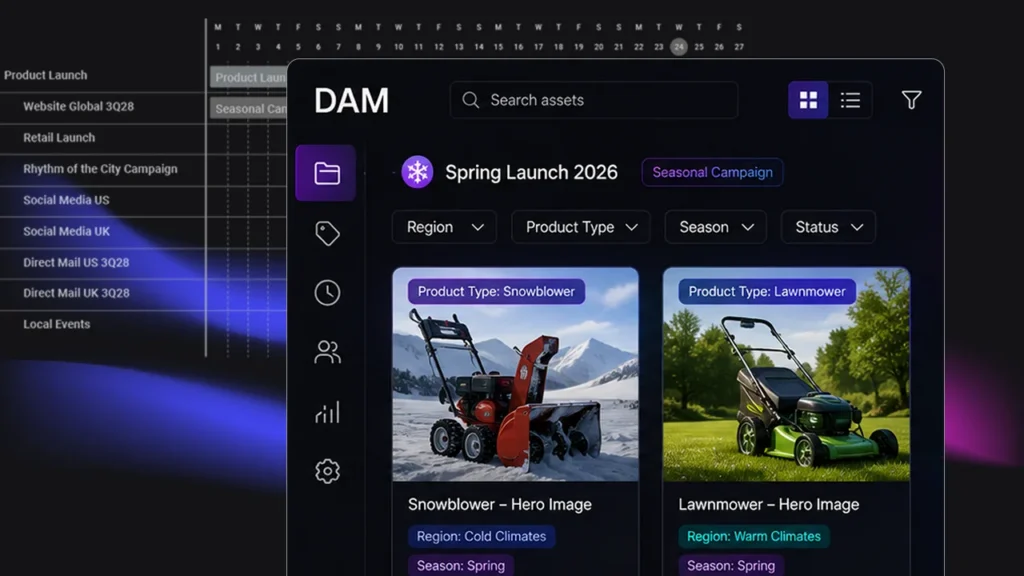
Managing seasonal content calendars presents a persistent challenge for marketing leaders navigating intermittent yet high-stakes campaign cycles. The pressure to consistently deliver timely, relevant, and on-brand content across numerous channels intensifies around holidays, industry events, and product launches. Without a cohesive strategy and enabling technology, teams often encounter bottlenecks in content creation, approval, and distribution. This frequently results in fragmented asset libraries, version control issues, and rushed deployments that compromise quality and impact. The goal is not merely to meet deadlines but to capitalize on specific seasonal windows with compelling content that resonates deeply with target audiences, ultimately driving engagement and revenue during critical periods. The complexity escalates with global operations, where diverse cultural nuances and regulatory requirements demand meticulous planning and flexible execution.
TL;DR
- Effective management of seasonal content calendars demands a unified strategy that integrates planning, creation, and distribution to capture fleeting market opportunities and maintain brand relevance.
- Organizations frequently struggle with disparate legacy systems and manual processes, leading to inefficiencies, asset proliferation, and missed deadlines when attempting to scale seasonal campaigns.
- A robust digital asset management (DAM) platform provides the necessary infrastructure for centralizing seasonal assets, automating workflows, and ensuring brand consistency across diverse channels and global markets.
- Implementing best practices for metadata, version control, and rights management within a DAM solution significantly reduces operational friction and accelerates time-to-market for critical seasonal initiatives.
- By leveraging advanced analytics and AI-driven insights from a comprehensive content operations platform, businesses can refine their seasonal strategies, predict trends, and gain a decisive competitive advantage in future campaign cycles.
The Core Challenges of Seasonal Content Management
Organizations face several foundational challenges when managing seasonal content calendars, stemming primarily from the volume, velocity, and variety of assets required for timely market engagement. These obstacles frequently manifest as inefficiencies in workflow, inconsistencies in branding, and missed opportunities due to delayed execution. Addressing these issues requires a systemic approach that goes beyond mere task management to strategic content orchestration.
Definition: Seasonal content calendars are structured plans outlining the creation, approval, and distribution of marketing assets specifically tailored to recurring periods like holidays, themed promotions, or annual events, designed to align content initiatives with consumer behavior during those specific times.
Teams often struggle with the sheer scale of content needed. Each seasonal campaign may demand a unique set of visuals, copy, videos, and interactive elements, all requiring careful coordination across multiple departments. Without a centralized system, assets become dispersed across shared drives, individual desktops, and email threads, leading to a constant search for the correct version or compliant asset. This fragmentation consumes valuable time and increases the risk of deploying outdated or unapproved materials.
Furthermore, the condensed timelines inherent in seasonal campaigns exacerbate these issues, leaving little room for error or last-minute revisions. Another significant challenge involves maintaining brand consistency across diverse seasonal campaigns and global markets. A holiday promotion in one region might require a completely different tone and visual identity than a similar event elsewhere, necessitating rigorous control over asset usage and adaptation.
Without enterprise-grade digital asset management (DAM) capabilities, marketers expend considerable effort on manual checks and individual communications to ensure adherence to brand guidelines. This manual overhead slows down content delivery and increases the likelihood of inconsistencies, diluting brand equity over time. The ability to quickly adapt and deploy content while maintaining a consistent brand voice is paramount for competitive differentiation.
Leveraging Digital Asset Management for Seasonal Success
A robust digital asset management (DAM) solution provides the essential framework for organizing, scheduling, and deploying seasonal content efficiently and at scale. By centralizing all seasonal assets in a single, accessible repository, DAM platforms eliminate the chaos of scattered files and empower marketing teams to streamline their entire content lifecycle. This centralization is not just about storage; it’s about creating a living, breathing content hub that supports dynamic workflows and collaborative creation.
DAM solutions play a critical role in managing the specific demands of seasonal content. They offer robust metadata capabilities, allowing teams to tag assets with seasonal identifiers, campaign names, usage rights, expiration dates, and target regions. This granular tagging ensures that the right asset can be found instantly, reducing search times and preventing the use of expired or non-compliant materials. For instance, a search for “Winter Holiday Campaign 2024 – North America – English” would immediately surface all relevant, approved assets, bypassing hours of manual searching through disorganized folders. This level of organization is crucial when managing hundreds or thousands of assets for simultaneous seasonal campaigns.
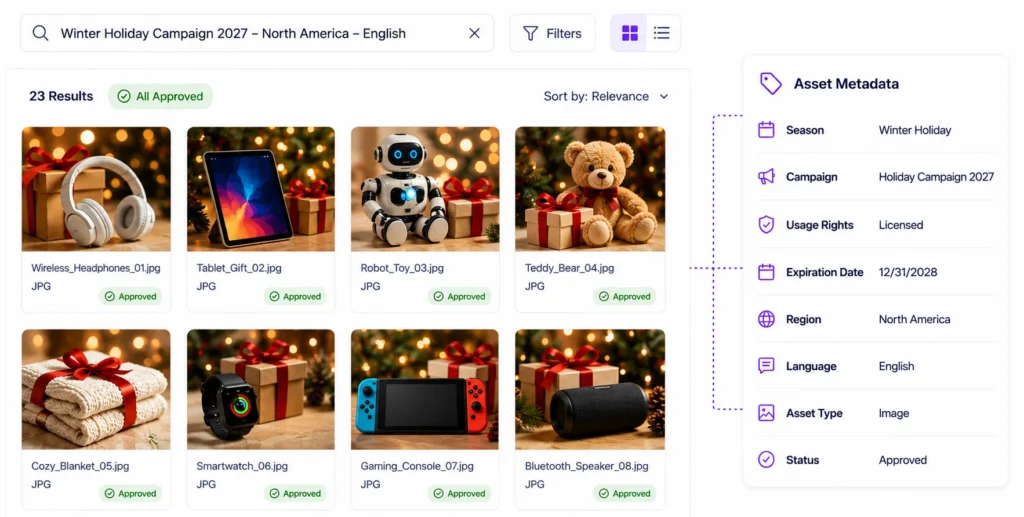
DAM solutions use rich metadata to organize, manage, and surface the right content for the right campaign, region, and time.
Beyond basic organization, advanced DAM platforms facilitate automated workflows tailored to seasonal content production. These workflows can orchestrate the entire content journey from ideation to distribution, including automated routing for approvals, version control, and integration with creative tools. When a new seasonal asset is created, the system can automatically assign review tasks to legal, brand, and regional stakeholders, ensuring all necessary sign-offs are secured before deployment. This automation significantly reduces bottlenecks and accelerates the time-to-market for critical seasonal campaigns, giving organizations a vital edge in competitive periods.
Additionally, DAM solutions provide detailed audit trails, offering complete transparency into an asset’s history, from its initial upload to its final use, which is invaluable for compliance and accountability, especially with diverse content for varied markets.
Best Practices for Efficient Seasonal Content Workflows
Ensuring efficient seasonal content workflows and timely campaign launches hinges on establishing clear processes, leveraging intelligent automation, and fostering cross-functional collaboration. Simply having a DAM is insufficient without a disciplined approach to content governance and operational execution. The most successful organizations couple powerful technology with well-defined strategies for managing their seasonal content initiatives.
- Define Clear Content Requirements Early: Before any asset creation begins, thoroughly document content needs for each seasonal campaign. This includes target audiences, regional specifics, creative briefs, legal requirements, and distribution channels. A precise understanding of requirements prevents scope creep and rework down the line.
- Standardize Metadata and Tagging Protocols: Develop a comprehensive metadata schema specifically for seasonal content. This enables precise categorization, searchable attributes, and automated workflows. Ensure all users adhere to these standards, consistently applying tags for seasonality, campaign, product line, media type, and rights information. A structured approach ensures content is findable and reusable.
- Implement Automated Workflow Triggers: Configure your DAM to automate key stages of the content lifecycle. This could include automated routing for approvals based on asset type or campaign, notification triggers when an asset is ready for review, or automatic archiving of expired seasonal content. Automation reduces manual effort and accelerates progression through key checkpoints.
- Integrate with Creative and Distribution Platforms: Seamlessly connect your DAM with creative tools (e.g., Adobe Creative Cloud) and distribution channels (e.g., social media management tools, content delivery networks). This integration allows creative teams to access approved assets directly and marketing teams to publish seasonal content without manual downloads and re-uploads, minimizing friction and errors.
- Establish Clear Roles and Responsibilities: Assign specific ownership for each stage of the seasonal content workflow, from content strategists and creators to legal reviewers and publishers. Clear roles prevent duplication of effort and ensure accountability, particularly important when managing numerous interdependent tasks for time-sensitive campaigns.
- Conduct Post-Campaign Analysis: After each seasonal campaign concludes, analyze content performance, workflow efficiency, and team collaboration. Identify bottlenecks, successful strategies, and areas for improvement, using these insights to refine processes for future seasonal initiatives. This iterative approach drives continuous optimization.
Optimizing Future Strategies with Content Analytics
Leveraging analytics within a comprehensive content operations platform is crucial for optimizing future seasonal content strategies, moving beyond reactive content creation to proactive, data-driven decision-making. Marketers must analyze past seasonal campaign performance to identify trends, understand audience engagement, and refine content delivery for maximum impact. This analytical capability transforms raw data into actionable intelligence, providing a competitive edge.
Advanced content analytics within a DAM or integrated marketing platform can track key metrics such as asset usage, channel performance, audience interaction with specific creative elements, and even the efficiency of internal content workflows. For example, by analyzing which seasonal headlines or visual styles performed best during last year’s holiday campaign, marketers can confidently create more effective content for the upcoming season. This data-driven approach removes much of the guesswork from seasonal content planning, allowing teams to allocate resources more strategically and achieve higher ROI. Understanding the lifecycle of assets-how often they are accessed, modified, and published-provides insights into their value and informs future investment in content creation.
The contrast between a data-informed approach and traditional, intuition-based seasonal planning is stark. Traditional methods often rely on repeating past campaigns with minor adjustments, hoping for similar results. This approach risks misalignment with evolving consumer preferences and market shifts. In contrast, an analytics-driven strategy uses empirical evidence to pinpoint what resonated, what fell flat, and why. For instance, if analytics reveal that short-form video content significantly outperformed static images during a spring promotional event, future spring campaigns can prioritize video production. This shift from ‘what we did last year’ to ‘what the data tells us works’ empowers organizations to continuously iterate and improve their seasonal content calendar, making each subsequent campaign more impactful and efficient. Furthermore, predictive analytics, fueled by historical seasonal data, can anticipate future content needs and audience behaviors, enabling proactive content creation and strategic resource allocation.
Ensuring Compliance and Rights Management for Seasonal Assets
Effective compliance and robust rights management are non-negotiable for seasonal content, particularly given the often transient nature and wide distribution of these assets. Organizations must ensure that every image, video, and piece of copy adheres to legal requirements, brand guidelines, and usage agreements, safeguarding against potential legal issues and brand reputational damage. A failure in this area can lead to significant financial penalties and a loss of consumer trust. Many seasonal campaigns involve licensing third-party images, music, or celebrity endorsements, each with specific usage restrictions, expiration dates, and geographic limitations.
Without a sophisticated rights management system embedded within a DAM, tracking these details manually becomes an insurmountable task as asset volumes grow. A DAM solution centralizes rights information, linking it directly to each asset. This means users can immediately see if an image is cleared for social media use in Europe during the holiday season or if a video requires renewal before its spring campaign run. Automated alerts can proactively notify content managers when an asset’s rights are nearing expiration, preventing inadvertent use and ensuring continuous compliance.
Brand compliance extends beyond legal rights to maintaining consistent messaging and visual identity across all seasonal touchpoints. A DAM helps enforce this by providing approved templates, brand guidelines, and review workflows that ensure every piece of seasonal content aligns perfectly with brand standards. For example, a global brand promoting a summer sale must ensure that color palettes, logo usage, and messaging are consistent, even as assets are localized for different markets. The DAM’s version control capabilities ensure that only the latest, approved, and compliant versions of assets are ever distributed, preventing the accidental deployment of outdated or off-brand content. This disciplined approach minimizes risk and fortifies brand integrity throughout the high-pressure seasonal marketing cycles.
Conclusion
Mastering the intricacies of seasonal content calendars is no longer a luxury but a strategic imperative for organizations aiming to capture market attention and drive revenue during peak periods. The inherent challenges of volume, velocity, and compliance necessitate a comprehensive approach that transcends manual efforts and disparate systems.
By adopting a robust digital asset management platform, marketing leaders can centralize their seasonal assets, automate complex workflows, and enforce brand consistency across all campaigns. This strategic integration not only mitigates operational risks but also unlocks significant efficiencies, accelerating time-to-market for critical content. Ultimately, organizations that embrace intelligent content operations, informed by precise analytics, will gain a decisive advantage, transforming seasonal opportunities into sustained growth and elevated brand presence.
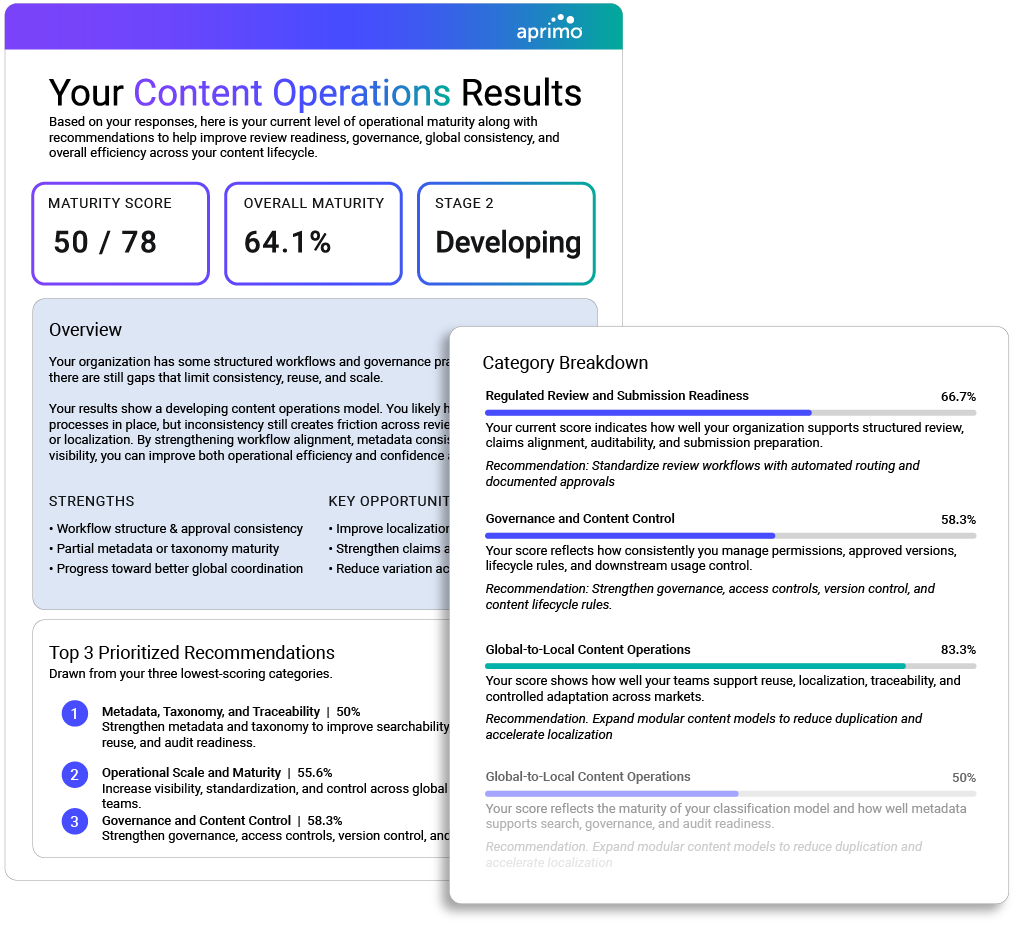
Find the Bottlenecks Holding Your Team Back
Take a 7-minute assessment to identify your biggest operational delays and receive prioritized recommendations tailored to your results.
FAQ
How does a DAM improve collaboration for seasonal campaigns?
A digital asset management platform significantly enhances collaboration by providing a central hub where all team members can access, review, and contribute to seasonal content. It streamlines communication through integrated feedback tools and automated notifications, reducing reliance on email chains and scattered documents. This ensures everyone works from the most current versions, accelerating approval cycles and fostering a more cohesive and productive environment for developing seasonal content.
Can DAM solutions handle multilingual seasonal content?
Yes, advanced DAM solutions are designed to manage multilingual seasonal content effectively by supporting multiple file variations and metadata fields for different languages and regions. They enable efficient localization processes, allowing marketers to store, tag, and distribute region-specific versions of assets from a single source. This capability is essential for global brands aiming to deliver culturally relevant content across diverse markets during seasonal periods.
What role does AI play in optimizing seasonal content calendars?
Artificial intelligence within DAM and content operations platforms can significantly optimize seasonal content calendars by automating tasks like metadata tagging, content categorization, and even initial content recommendations. AI-powered analytics can also predict future seasonal trends based on historical data, suggesting optimal content themes, distribution channels, and timing for greater impact. This predictive capability helps marketers stay ahead of demand and tailor their seasonal strategies with greater precision.
How can a small marketing team benefit from DAM for seasonal content?
Even small marketing teams benefit immensely from using a DAM for seasonal content by gaining efficiencies typically reserved for larger operations. A DAM centralizes assets, automates repetitive tasks, and ensures brand consistency, freeing up valuable time that would otherwise be spent searching for files or managing versions. This allows smaller teams to execute ambitious seasonal campaigns with limited resources, maximizing their impact and operational effectiveness.
What is the initial investment required for a DAM for seasonal content?
The initial investment for a DAM solution varies widely based on the scale of your content, required features, and deployment model. Factors influencing cost include storage capacity, number of users, integration needs, and advanced functionalities like AI or robust workflow automation. While there is an upfront cost, the long-term benefits in efficiency, compliance, and accelerated time-to-market for seasonal content typically yield a strong return on investment, justifying the expenditure for most organizations.