
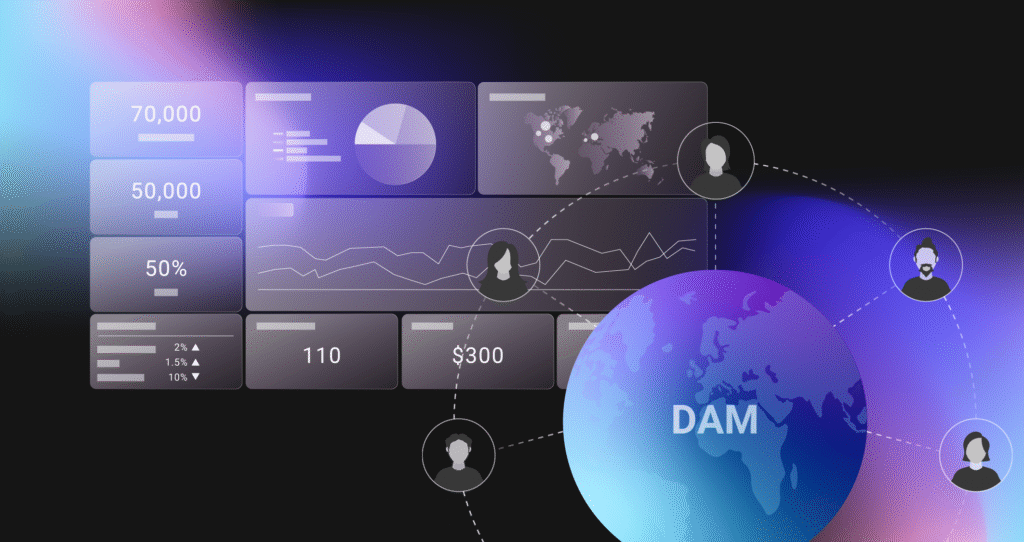
The Challenge of Measuring Content Performance Globally
Global organizations create large volumes of content, but visibility into how those assets are actually used is often limited. Files are distributed across regions, shared with partners, and published in multiple channels. Once assets leave the DAM, many teams lose insight into where they go and whether they deliver value.
Without analytics, organizations rely on assumptions. Regional teams may request new assets even when suitable content already exists. Marketing leaders struggle to justify content investments. Brand teams lack visibility into where outdated or off-brand assets are still in use.
DAM analytics close this gap by turning asset activity into measurable insight.
TL;DR
The best DAM platforms provide analytics that show how assets are used across regions, teams, and channels. Look for systems that track downloads, shares, reuse, lifecycle status, and regional adoption. Aprimo delivers market-level visibility so teams can understand what content performs, where it’s used, and how to optimize global content investments.
What DAM Analytics Should Measure
DAM analytics go beyond basic download counts. A modern enterprise DAM should provide visibility into both usage and performance signals, including:
- How often assets are accessed, downloaded, or shared
- Which regions, markets, or teams use specific assets
- Asset reuse across campaigns and channels
- Time-to-adoption after approval or launch
- Asset lifecycle status, including expiration and replacement
- Engagement signals from downstream systems when available
Together, these metrics help organizations understand not just what content exists, but how it delivers value across markets.
Who This Matters For
- Global Marketing Leaders: Understand which assets support regional execution and where gaps exist.
- Regional Marketing Teams: Identify approved content that performs well in similar markets.
- Brand and Compliance Teams: Monitor usage of current versus expired assets.
- Content Operations: Optimize production by focusing on high-performing and reusable assets.
- Analytics and Strategy Teams: Tie content usage trends to broader campaign performance.
DAM analytics turn content from a cost center into a measurable asset.
What to Look For in DAM Analytics
- Market and Region-Level Reporting: Analytics should show asset usage by geography, business unit, or market. This helps teams understand adoption patterns and identify regions that need more support or localization.
- Asset-Level Usage Metrics: Track downloads, views, shares, and reuse over time. High-performing assets should be easy to identify and promote for reuse.
- Version and Lifecycle Visibility: Analytics should distinguish between current and outdated assets. Teams need to see whether older versions are still being accessed and where action is required.
- User and Role-Based Insights: Understand which teams or roles use specific asset types. This helps refine content strategies and improve enablement.
- Search and Discovery Analytics: Track search terms, failed searches, and filters used. These insights highlight taxonomy gaps and unmet content needs.
- Integration with Downstream Systems: The most valuable analytics connect DAM activity with CMS, marketing automation, or e-commerce platforms to show where assets are activated.
- Exportable and Shareable Reporting: Reports should be easy to export and share with stakeholders, supporting planning, governance, and ROI discussions.
How Aprimo Delivers Market-Level DAM Analytics
Aprimo provides analytics designed for enterprise-scale, global content operations.
Key capabilities include:
- Asset usage tracking: Monitor downloads, shares, and access by region, team, and asset type.
- Market-level visibility: Understand how content adoption varies across geographies and business units.
- Lifecycle monitoring: Identify usage of expired or soon-to-expire assets and take corrective action.
- Search analytics: Reveal what users look for, what they find, and where content gaps exist.
- Operational reporting: Support planning decisions with data on reuse, velocity, and asset demand.
- Integration-ready insights: Connect DAM analytics with broader marketing and performance data where needed.
These insights help teams produce less content, reuse more effectively, and deliver stronger brand consistency across markets.
Why DAM Analytics Matter
Without analytics, content decisions are reactive. Teams create more assets instead of better ones. High-performing content gets buried, while unused assets continue to consume budget and storage.
DAM analytics provide the clarity needed to improve efficiency, reduce duplication, and align global teams around proven content. They also support compliance by highlighting where outdated or restricted assets are still accessed.
When organizations understand how assets perform across markets, content becomes a strategic lever rather than an operational burden.
Closing Thoughts
Choosing a DAM with strong analytics is essential for organizations managing content at scale. Look for platforms that provide regional visibility, asset-level insight, and lifecycle awareness. These capabilities ensure content investments are informed, measurable, and aligned across global teams.
Aprimo helps organizations turn asset activity into actionable intelligence, enabling smarter decisions across markets.
FAQ
What are DAM analytics used for?
DAM analytics measure how digital assets are accessed, reused, and distributed, helping teams understand content value and performance.
Can DAM analytics show regional content adoption?
Yes. Enterprise DAM platforms like Aprimo provide usage insights by market, region, or business unit.
Do DAM analytics help reduce content duplication?
They do. By identifying high-performing and frequently reused assets, teams can reuse more and produce less redundant content.
How does Aprimo support analytics across markets?
Aprimo tracks asset usage, lifecycle status, and search behavior, giving global teams clear visibility into how content is used and where optimization is needed.