
Government agencies face a formidable challenge in managing the ever-growing volume of digital assets while navigating complex regulatory landscapes. The public sector operates under a unique set of constraints, including strict security protocols, compliance mandates, and the imperative for transparency. Traditional digital asset management (DAM) systems, while useful, often struggle to keep pace with these demands, particularly when confronted with vast heterogeneous datasets and the need for rapid content deployment. This tension between accelerating digital transformation and maintaining rigorous governance creates a critical gap that AI-powered DAM solutions aim to bridge. However, simply adopting AI without a clear governance strategy introduces new risks and fails to fully realize the technology’s potential. The specific integration of artificial intelligence into public sector workflows demands a thoughtful, structured approach to ensure security, accountability, and the efficient delivery of citizen services.
TL;DR
- Effective AI DAM governance significantly improves the operational efficiency and compliance posture of government agencies by automating asset classification, rights management, and audit trails, thereby reducing manual oversight burdens.
- Robust AI DAM governance frameworks are instrumental in addressing the stringent security and compliance requirements unique to public sector data, ensuring adherence to regulations such as FedRAMP and FISMA without compromising accessibility.
- Implementing comprehensive AI DAM governance enables government entities to unlock substantial quantifiable benefits, including accelerated content delivery pipelines, reduced legal risks associated with unauthorized asset use, and optimized resource allocation.
- Strategic evaluation of AI-powered DAM vendors necessitates a deep understanding of their governance capabilities, focusing on data residency, access controls, and transparent AI model explainability to align with public trust mandates.
- The long-term impact of strong AI DAM governance extends beyond immediate operational gains, establishing a resilient digital infrastructure that supports future innovation and maintains public confidence in governmental data management practices.
The Unique Challenges of AI DAM in Government Agencies
Implementing AI-powered DAM solutions within government agencies presents distinctive hurdles that extend beyond typical enterprise considerations. Public sector entities handle sensitive citizen data, operate under intense public scrutiny, and must adhere to a myriad of federal, state, and local regulations. The sheer scale and diversity of government content, ranging from public records and archival materials to confidential policy documents and multimedia campaigns, necessitate a DAM system capable of intelligent organization, secure access, and meticulous auditing. Furthermore, the inherent need for impartiality and transparency in governmental operations means that AI models must be free from bias and their decision-making processes explainable. This complex environment demands a DAM solution that not only streamlines content workflows but also reinforces trust and safeguards critical information.
Definition: AI DAM Governance refers to the comprehensive framework of policies, procedures, roles, and responsibilities established to manage the ethical, secure, and compliant use of artificial intelligence within digital asset management systems, particularly concerning public sector data and operations.
- Data Security and Privacy Mandates: Government agencies are prime targets for cyberattacks, making robust data security non-negotiable. Regulations like FISMA (Federal Information Security Modernization Act), FedRAMP (Federal Risk and Authorization Management Program), and various state-level privacy laws impose strict requirements on how data is stored, processed, and accessed. AI-powered DAM must integrate seamlessly with these security frameworks, ensuring data encryption, access controls, and audit trails meet the highest standards. The risk of data breaches or unauthorized disclosure carries severe consequences, both legally and in terms of public trust.
- Compliance and Legal Frameworks: Beyond security, government operations are subject to extensive compliance mandates. This includes records retention schedules, accessibility standards (e.g., Section 508 of the Rehabilitation Act), and open government initiatives that necessitate public access to specific information. An AI DAM system must not only classify assets effectively but also embed compliance rules directly into its workflows, automating tasks like redaction, version control, and archival processes to prevent oversight and ensure legal adherence.
- Bias and Ethical AI Concerns: The application of AI in public services raises significant ethical considerations, particularly regarding algorithmic bias. If an AI system categorizes or distributes information in a biased manner, it could lead to inequitable outcomes or misrepresent governmental policies. Government agencies require AI DAM solutions that offer transparency into their algorithms, allowing for regular audits and mitigating potential biases in content moderation, search results, or even metadata generation. Trust in government relies on fair and impartial information dissemination.
- Interoperability and Legacy Systems: Government agencies often operate with a complex ecosystem of legacy systems that must integrate with new technologies. An AI DAM solution must demonstrate strong interoperability to connect with existing content management systems, enterprise resource planning (ERP) platforms, and other departmental applications without creating data silos or disrupting critical workflows. This often requires flexible APIs and customizable integration capabilities.
How AI-Powered DAM Addresses Security and Compliance
AI-powered digital asset management significantly enhances an agency’s ability to meet stringent security and compliance requirements by automating critical functions and enforcing consistent controls. Unlike traditional DAM systems that rely heavily on manual inputs for categorization and rights management, AI-driven platforms can proactively identify, classify, and secure sensitive assets based on predefined rules and learned patterns. This automation minimizes human error, a frequent cause of security vulnerabilities and compliance breaches.
For instance, AI algorithms can automatically tag assets with their classification level (e.g., ‘Confidential,’ ‘Public Release,’ ‘Internal Use Only’), apply appropriate access permissions, and monitor for any unauthorized access attempts. This capability is paramount for adhering to regulations like FedRAMP, which mandates specific security controls for cloud services handling government data. An AI DAM can manage encryption keys, enforce multi-factor authentication, and provide immutable audit trails of every asset interaction, thereby demonstrating compliance during audits. Furthermore, AI can aid in the discovery and redaction of personally identifiable information (PII) within documents, ensuring compliance with privacy acts before public release. This proactive and automated approach to security and compliance transforms a reactive posture into a preventative one, significantly reducing risk and operational overhead. By leveraging machine learning, an AI-powered DAM continually adapts to new threats and evolving regulatory landscapes, guaranteeing that government agencies maintain robust digital asset security and complete compliance with all applicable laws and policies.
Quantifiable Benefits for Government Agencies
Adopting AI-powered DAM can deliver concrete, measurable benefits for government agencies, moving beyond qualitative improvements to demonstrate tangible returns on investment. These benefits translate directly into optimized resource allocation, reduced operational costs, and enhanced service delivery. For example, by automating metadata tagging, content classification, and routing, agencies can drastically cut down the time spent on manual asset management tasks, freeing up personnel for higher-value activities.
- Reduced Content Approval Cycles: AI-driven workflows can decrease the average time for content review and approval by 30-50%, leading to faster dissemination of critical information.
- Lower Compliance Violation Risks: Automated compliance checks and proactive identification of sensitive data can reduce the incidence of regulatory fines and legal challenges by up to 25%.
- Optimized Storage and Resource Utilization: Intelligent asset deduplication and automated archival processes can lead to a 15-20% reduction in unnecessary storage costs and better utilization of server resources.
- Improved Content Discoverability: AI-powered search and tagging capabilities can enhance content discoverability by 40%, ensuring employees and citizens can quickly find the information they need, reducing redundant content creation.
- Enhanced Brand Consistency and Accuracy: Automated content governance ensures that all public-facing materials adhere to agency branding guidelines and factual accuracy, reducing the need for costly rework and mitigating reputational damage.
Evaluating AI-Powered DAM Vendors: Critical Considerations for AI DAM Governance
When government agencies evaluate potential AI-powered DAM vendors, the focus must extend beyond feature sets to encompass comprehensive AI DAM governance capabilities. A vendor’s ability to support transparent, secure, and compliant AI operations is paramount for public sector adoption. Agencies need partners who understand the unique regulatory environment and can provide solutions that withstand rigorous scrutiny. The decision rests on several key areas that directly impact the long-term viability and trustworthiness of the chosen system. This requires a deeper dive into how the AI is trained, monitored, and integrated into the overarching security architecture.
- Data Residency and Sovereignty: Ensure the vendor’s data centers and processing comply with national and local data residency requirements. For classified data, this often means on-premise or government-specific cloud deployments. Where is the data stored and processed? Who has access to it?
- Explainability and Transparency of AI Models: Can the vendor articulate how their AI algorithms make decisions? Is there a clear audit trail for AI-driven classifications or actions? Black-box AI models pose significant risks in terms of accountability and bias for government use.
- Granular Access Controls and Permissions: The DAM system must support highly granular access controls, allowing agencies to define permissions at the asset, folder, and user group level, integrating with existing identity management systems. The ability to manage complex permission structures, often dictated by roles and security clearances, is non-negotiable.
- Auditability and Reporting: The system must provide comprehensive audit logs for all user activity and AI-driven actions, enabling agencies to track who accessed what, when, and how the AI influenced asset management decisions. Robust reporting is essential for demonstrating compliance during internal and external audits.
- Security Certifications and Compliance Frameworks: Vendors must hold relevant government and industry security certifications, such as FedRAMP, SOC 2 Type 2, or ISO 27001, demonstrating a proactive approach to security best practices. Their architecture should align with NIST cybersecurity frameworks.
- Integration Capabilities: Assess the vendor’s ability to integrate with existing government IT infrastructure, including legacy systems, authentication services, and other content platforms. Seamless integration prevents data silos and ensures a unified operational environment.
- Vendor’s Stance on Ethical AI: Evaluate the vendor’s policies and practices regarding AI ethics, bias detection, and ongoing model monitoring. A vendor committed to addressing these concerns is a more reliable partner for public sector applications. This proactive stance helps mitigate risks associated with unintended consequences of AI deployment.
The Evolution of Digital Asset Management: Traditional vs. AI-Powered
The fundamental difference between traditional digital asset management and its AI-powered counterpart lies in their respective approaches to content intelligence, automation, and proactive governance. While traditional DAM systems offer centralized storage, basic metadata management, and version control, they largely function as sophisticated repositories. Human input remains the primary driver for categorizing assets, applying tags, and enforcing usage rights. This manual reliance introduces inefficiencies, potential for human error, and scalability limitations, particularly for organizations with vast and dynamic content libraries like government agencies.
In contrast, AI-powered DAM transforms the system from a passive archive into an intelligent, active participant in the content lifecycle. AI algorithms can automatically analyze content, recognize objects, faces, and text, and generate highly descriptive metadata without human intervention. This capability dramatically accelerates the ingestion and discoverability of assets. Moreover, AI can enforce governance policies proactively; for example, it can automatically detect if an asset contains sensitive information and restrict access, or flag content for review if it deviates from established branding guidelines. Where a traditional DAM might alert administrators to a rights expiration, an AI DAM could automatically archive or restrict use of that asset. This shift from reactive management to proactive, intelligent governance is what makes AI DAM uniquely suited for the rigorous demands of government operations, offering a level of precision, speed, and compliance enforcement unattainable with purely manual systems. This enables government agencies to manage their ever-growing digital assets with unprecedented efficiency and security.

Conclusion
The integration of AI into digital asset management offers an undeniable paradigm shift for government agencies striving for greater efficiency, transparency, and compliance. Effective AI DAM governance is not merely an operational luxury but a strategic imperative that directly impacts public trust and the efficacy of government services. By proactively addressing the unique challenges of data security, regulatory adherence, and ethical AI deployment, agencies can unlock profound quantifiable benefits, including accelerated content workflows and significantly reduced operational risks. The future of public sector content management hinges on a judicious, well-governed adoption of AI-powered solutions, ensuring that technology serves the public good with accountability and precision.
Experience AI-Powered Content Operations
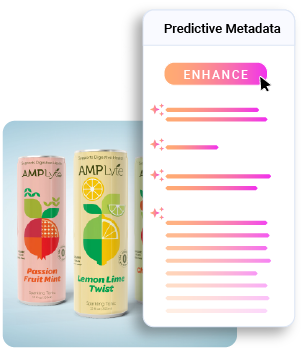
See how Aprimo’s AI-powered Librarian Agents automatically enrich content with metadata, improve discoverability, strengthen governance, and unlock greater content reuse across the entire content lifecycle.
FAQ
How does AI DAM ensure data privacy for sensitive government information?
AI DAM ensures data privacy through automated classification, granular access controls, and intelligent redaction capabilities. AI algorithms identify and tag sensitive information, enforcing permissions based on security clearances and compliance mandates. This proactive approach minimizes human error and ensures that only authorized personnel can access or view specific data points, safeguarding citizen information effectively.
Can AI-powered DAM help government agencies with public records requests?
Yes, AI-powered DAM significantly streamlines responses to public records requests by enhancing content discoverability and automating compliance checks. The AI can rapidly search vast archives for relevant documents, identify and redact sensitive information as required by law, and compile comprehensive records for timely release. This automation drastically reduces the manual effort and time traditionally associated with fulfilling such requests.
What kind of training is required for agency staff to use AI DAM systems effectively?
Effective use of AI DAM systems typically requires training on system navigation, understanding AI-generated insights, and utilizing automated workflows. Staff need to learn how to interpret AI classifications, leverage advanced search functionalities, and monitor automated governance policies. Training modules often cover data input best practices to ensure the AI’s efficacy and maintain data integrity within the system.
How can agencies ensure AI DAM solutions remain unbiased in content processing?
Agencies can ensure AI DAM solutions remain unbiased by selecting vendors with transparent AI models and implementing continuous monitoring protocols. Regular audits of AI decisions, human-in-the-loop review processes for questionable classifications, and diverse training datasets help mitigate algorithmic bias. Establishing clear ethical guidelines for AI use and requiring vendor accountability are also crucial steps.
What is the typical implementation timeline for an AI DAM system in a government agency?
The implementation timeline for an AI DAM system in a government agency can vary significantly, typically ranging from 6 to 18 months, depending on the agency’s size and complexity. Factors influencing this timeline include data migration volume, integration requirements with existing legacy systems, staff training, and the thoroughness of security and compliance validations. A phased rollout strategy often helps manage complexity and ensures smoother adoption.