
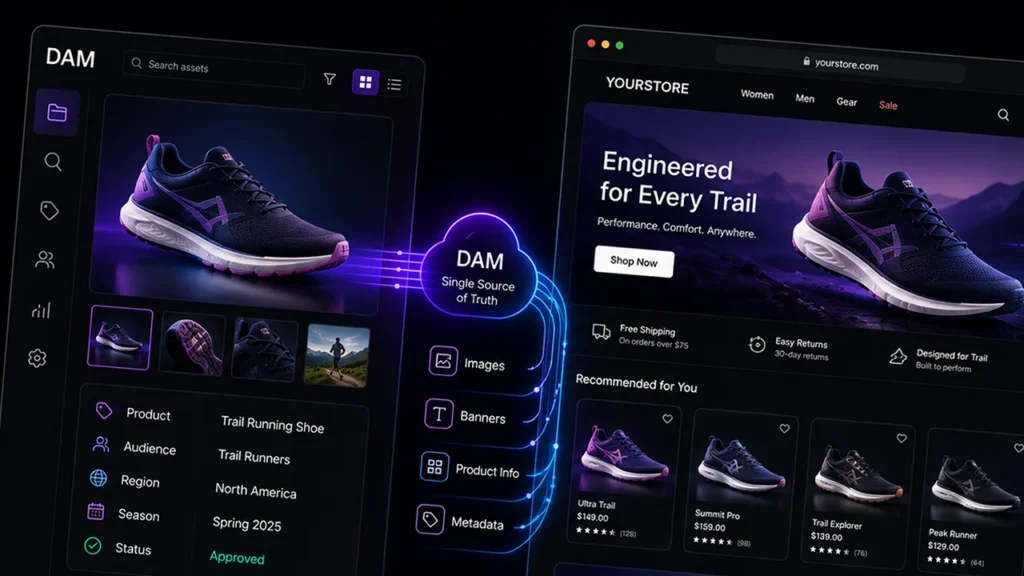
Retailers face an escalating challenge: delivering a unified, personalized experience across an ever-expanding array of digital and physical touchpoints. Customers interact with brands through websites, mobile apps, social media, email, in-store displays, and more, each demanding tailored content. The inherent complexity of managing diverse content formats, versions, and distribution schedules across these channels frequently leads to fragmented customer journeys and inconsistent brand messaging. Without a cohesive strategy and the right technological infrastructure, content silos emerge, inefficiencies multiply, and the promise of omnichannel engagement remains an elusive goal. Solving this critical operational problem requires a fundamental shift from disparate content management efforts to a harmonized, platform-driven approach.
TL;DR
- Retailers successfully manage omnichannel content by adopting unified content operations platforms that centralize assets and streamline workflows, ensuring consistent brand experiences across all customer touchpoints.
- A truly unified content operations platform extends beyond basic digital asset management to orchestrate the entire content lifecycle, from planning and creation to distribution and performance analysis.
- Leading retailers leverage advanced content platforms to automate personalization at scale, ensuring relevant content reaches individual customers across diverse channels and devices.
- Measuring the return on investment for improved omnichannel content management involves tracking key metrics like conversion rates, customer lifetime value, and content production efficiency.
- Implementing a strategic content operations platform enables retailers to significantly reduce content production costs while simultaneously enhancing customer satisfaction and market responsiveness.
The Core Challenges Retailers Face with Omnichannel Content
Retailers consistently grapple with content fragmentation, version control issues, and the sheer volume of assets required to fuel multiple channels. This leads to inconsistencies in branding, outdated product information, and a degraded customer experience. The absence of a centralized content repository and disconnected workflows often force marketing teams into manual, repetitive tasks, stifling creativity and agility.
Definition: Omnichannel content management refers to the strategic process and technological infrastructure enabling the seamless creation, organization, distribution, and optimization of content across all customer touchpoints to deliver a unified and personalized brand experience.
The most significant content challenges often stem from the need to localize content for different regions and customer segments while maintaining global brand integrity. This balancing act requires robust governance frameworks and adaptable delivery mechanisms. Moreover, ensuring content compliance with various regulatory standards, especially for product claims and promotional offers, adds another layer of complexity. Retailers must also navigate the challenge of rapidly responding to market trends and competitive actions with fresh, relevant content, which is nearly impossible with fragmented systems. The struggle intensifies with the proliferation of new content formats, such as short-form video, augmented reality experiences, and interactive shoppable media, each demanding specialized production and delivery pipelines.
Unifying Content Operations for Consistent Omnichannel Experiences
Leading retailers address omnichannel content management by adopting a unified content operations platform that centralizes all digital assets and content workflows, moving beyond traditional digital asset management (DAM) systems. This strategic shift enables streamlined content creation, approval, and distribution across every customer touchpoint, ensuring brand consistency and operational efficiency.
Such platforms provide a single source of truth for all content, from product descriptions and imagery to marketing campaigns and brand guidelines. By consolidating these disparate elements, retailers gain complete visibility and control over their content ecosystem. This centralized approach eliminates content silos, reduces duplication of effort, and minimizes the risk of publishing outdated or off-brand material. Furthermore, it fosters greater collaboration among internal teams and external agencies, accelerating content velocity and improving overall content quality.
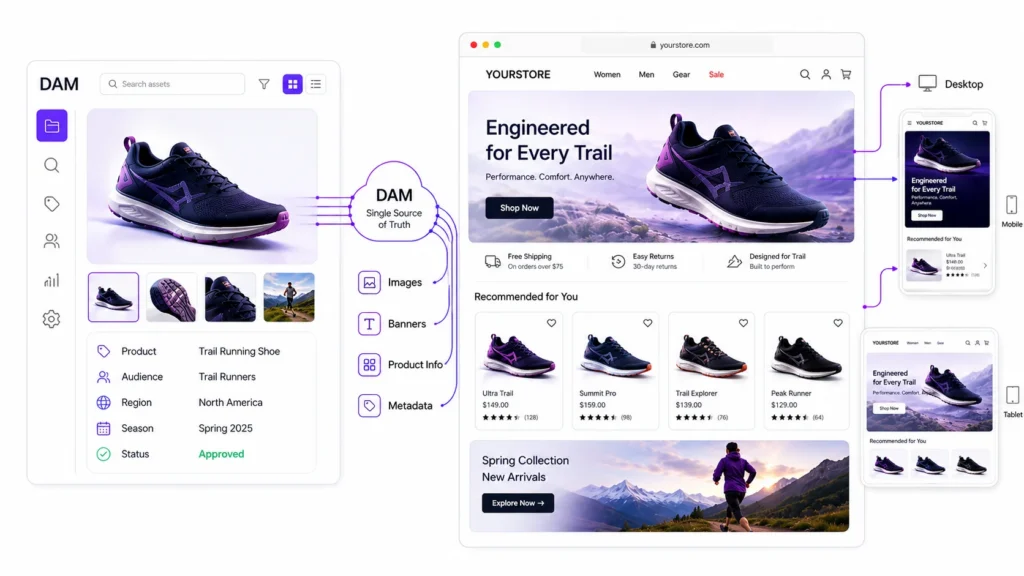
A unified content operations platform distinguishes itself from a standalone DAM by integrating content planning, workflow automation, rights management, and performance analytics into a cohesive system. While a DAM primarily focuses on asset storage and retrieval, a content operations platform orchestrates the entire content lifecycle, from ideation to delivery and measurement. This broader scope allows retailers to proactively manage content as a strategic business asset, rather than merely a collection of files.
The result is a more agile, responsive, and ultimately more effective content supply chain that can adapt to changing market demands and customer preferences. Ultimately, this ensures that every customer interaction, regardless of channel, delivers a cohesive and compelling brand experience, driving engagement and loyalty.
Key Capabilities of an Omnichannel Content Platform
A robust omnichannel content platform offers a suite of integrated capabilities essential for retailers to manage and disseminate content effectively across diverse channels. These capabilities include advanced asset management, workflow automation, content localization, and powerful analytics. Together, these features empower marketing and operations teams to operate with greater efficiency and strategic foresight.
- Centralized Asset Repository: The platform must provide a secure, scalable repository for all digital assets, including images, videos, product data, and marketing copy. This includes robust metadata management to ensure assets are easily discoverable and reusable across different contexts and channels.
- Workflow Automation: Automated workflows streamline content creation, review, and approval processes, reducing bottlenecks and accelerating time-to-market. This ensures that content moves efficiently through the various stages and stakeholders involved in its lifecycle.
- Content Personalization and Variation Management: The platform should support the creation and management of content variations tailored for specific segments, channels, and customer journeys. This includes dynamic content assembly and A/B testing capabilities.
- Rights and Compliance Management: Robust features for managing intellectual property rights, usage licenses, and regulatory compliance are crucial. This prevents costly errors and ensures all content is legally cleared for distribution.
- Distribution Connectors and APIs: Seamless integration with various distribution channels (e-commerce platforms, social media, email marketing, in-store digital signage) is vital. Open APIs allow for flexible connections to existing retail technology stacks.
- Performance Analytics: Integrated analytics capabilities track content performance across channels, providing insights into engagement, conversions, and ROI. This data informs future content strategy and optimization efforts. These features enable retailers to create, manage, and deliver highly targeted and engaging experiences that resonate with individual customers.
Delivering Personalized Content at Scale for Customer Touchpoints
Retailers harness content operations platforms to personalize content at scale by combining rich customer data with dynamic content assembly capabilities and automated delivery rules. These platforms ensure that relevant content, from product recommendations to promotional offers, reaches individual customers across diverse touchpoints, enhancing engagement and conversion rates.
By integrating with customer data platforms (CDPs) and CRM systems, content platforms gain access to a unified view of customer behavior, preferences, and purchase history. This data intelligence powers segmentation and personalization engines, allowing retailers to define specific audiences and tailor content variations accordingly. For instance, a platform can automatically select specific product images, descriptive copy, and call-to-actions based on a customer’s browsing history or demographic profile. This level of granular personalization fosters a deeper connection with the customer, moving beyond generic messaging to truly relevant interactions.
These platforms automate the deployment of personalized content across various channels. A single piece of core content can be automatically adapted and delivered to a mobile app banner, an email newsletter, a social media ad, or an in-store digital display, all while maintaining brand consistency and respecting channel-specific best practices.
The ability to manage these variations from a central hub dramatically reduces the manual effort traditionally associated with personalization, making it feasible to execute highly targeted campaigns across vast product catalogs and diverse customer bases. Such intelligent content delivery not only improves customer satisfaction but also drives measurable business outcomes.
Measuring ROI for Improved Omnichannel Content Management
Measuring the ROI of enhanced omnichannel content management involves tracking a diverse set of metrics that span operational efficiency, customer engagement, and direct revenue impact. A comprehensive approach looks beyond simple cost savings to encompass the strategic value generated by more effective content. Key performance indicators (KPIs) provide tangible evidence of success.
Operational Efficiency Metrics: Retailers often track content production cycles, approval times, and the incidence of content errors or reworks. Reductions in these areas directly translate to cost savings and faster time-to-market. The number of content pieces produced per campaign without increasing staffing is another indicator of improved efficiency. A platform that reduces manual hand-offs and automates routine tasks will show a clear improvement in these operational metrics over time.
Customer Engagement and Experience Metrics: This category includes website conversion rates, cart abandonment rates, repeat purchase rates, and customer lifetime value (CLTV). When omnichannel content is unified and personalized, customers experience a more cohesive journey, which typically leads to higher engagement and loyalty. Increased time spent on site, lower bounce rates, and higher click-through rates on content assets are also strong indicators of improved content resonance and perceived value.
Direct Revenue and Brand Impact: Ultimately, the most compelling ROI metrics are tied to sales growth attributable to content, reduced customer acquisition costs, and improved brand perception scores. A unified content strategy, supported by a robust platform, can directly contribute to higher average order values and increased market share. By correlating content effectiveness with sales data, retailers can precisely quantify the financial benefits of their investment, demonstrating how superior content management translates into a significant competitive advantage.
This holistic measurement approach provides a clear picture of both the tangible and intangible returns.
Implementing a Successful Omnichannel Content Strategy
Implementing a successful omnichannel content strategy using a content operations platform requires a structured approach that prioritizes foundational elements before scaling to advanced capabilities. This includes a clear roadmap, careful platform selection, and a commitment to ongoing optimization and governance. Here are the key steps for retailers:
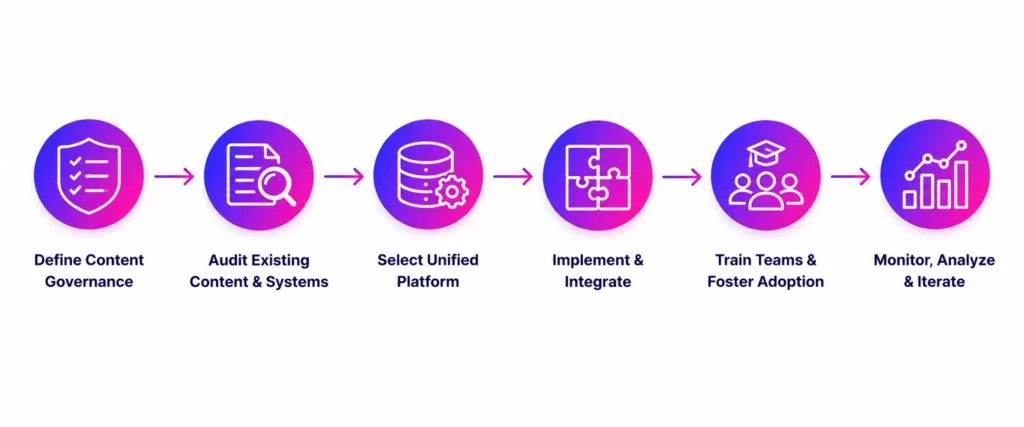
- Define Content Governance and Strategy: Establish clear guidelines for content creation, branding, legal compliance, and approval workflows. Develop a comprehensive content strategy that aligns with overall business objectives and customer journey mapping. This ensures all content serves a clear purpose and adheres to established standards from the outset.
- Audit Existing Content and Systems: Conduct a thorough inventory of all current content assets, identify existing content silos, and assess the capabilities of your current technology stack. This audit reveals gaps and redundancies, informing the requirements for a new platform.
- Select a Unified Content Operations Platform: Choose a platform that offers robust DAM capabilities, workflow automation, personalization features, and extensive integration options. Prioritize solutions that can scale with your business and offer strong support for retail-specific requirements.
- Phased Implementation and Integration: Begin with a pilot program or a specific content type before rolling out the platform across the entire organization. Integrate the platform with existing retail systems (CRM, e-commerce, PIM) to ensure seamless data flow and process orchestration.
- Train Teams and Foster Adoption: Provide comprehensive training for all stakeholders, including marketing, product, sales, and IT teams. Emphasize the long-term benefits of the new system and establish clear ownership roles to drive user adoption and maximize platform utilization.
- Monitor, Analyze, and Iterate: Continuously track content performance using the platform’s analytics tools. Gather feedback from users and customers, identify areas for improvement, and iterate on your strategy and content processes based on data-driven insights. This iterative approach ensures the strategy remains agile and effective. Following these steps systematically positions retailers to unlock the full potential of omnichannel content, transforming their customer experiences and operational efficiency.
Conclusion
Effective omnichannel content management is no longer merely an operational aspiration for retailers; it is a strategic imperative for competitive advantage and sustained growth. By moving beyond siloed tools and embracing unified content operations platforms, retailers can seamlessly orchestrate content across every customer touchpoint, ensuring brand consistency and delivering hyper-personalized experiences at scale.
The ability to centralize, automate, and analyze content workflows empowers organizations to respond quickly to market dynamics, optimize resource allocation, and foster deeper customer loyalty. Ultimately, investing in a robust content operations strategy translates directly into enhanced customer satisfaction, improved operational efficiency, and a demonstrable return on investment.
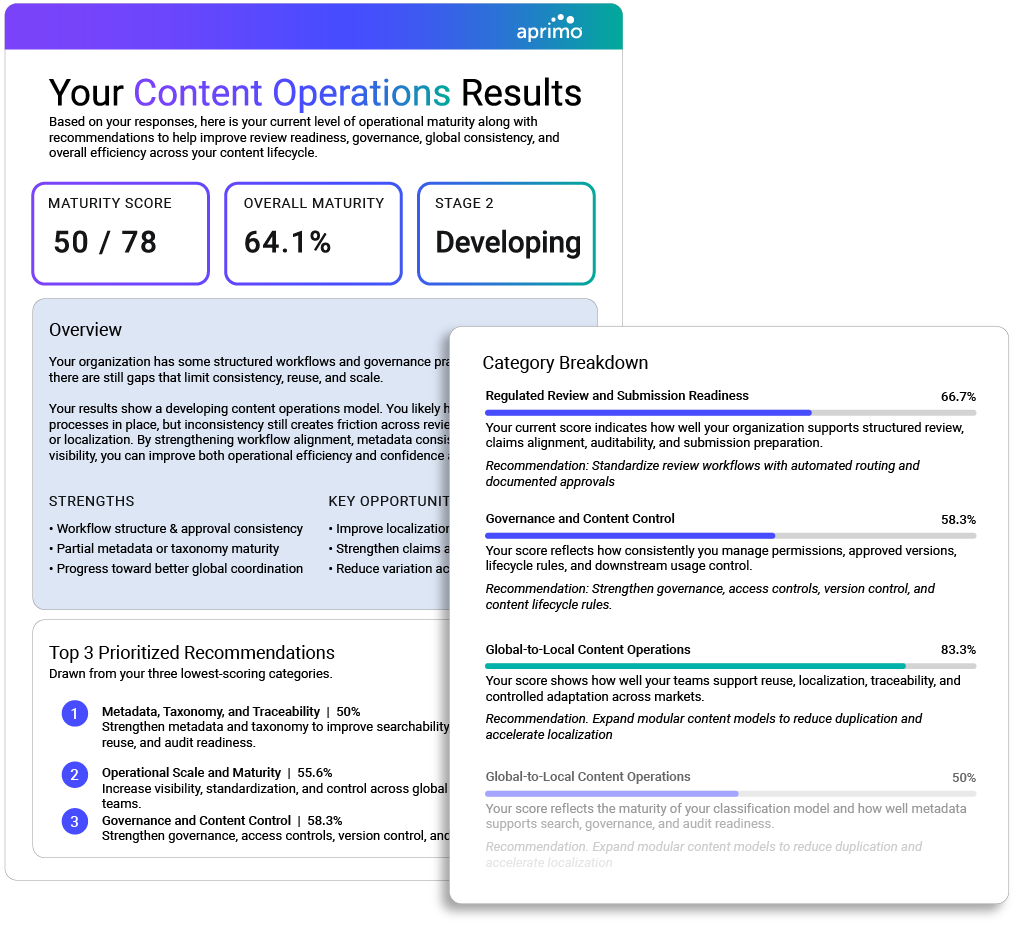
Find the Bottlenecks Holding Your Team Back
Take a 7-minute assessment to identify your biggest operational delays and receive prioritized recommendations tailored to your results.
FAQ
What is the primary difference between a DAM system and a content operations platform for retailers?
A Digital Asset Management (DAM) system concentrates on the storage, organization, and retrieval of digital assets, serving as a centralized repository for media files. In contrast, a content operations platform extends far beyond asset management to encompass the entire retail content lifecycle, from strategic planning and creation through workflow automation and personalized distribution. This comprehensive approach allows retailers to manage, deploy, and analyze content performance across all customer touchpoints, optimizing engagement and sales opportunities.
Can a content operations platform help with product information management (PIM) for e-commerce?
Yes, a sophisticated content operations platform often integrates closely with Product Information Management (PIM) systems, or includes PIM-like functionalities itself. This integration ensures that rich product data, including descriptions, specifications, and marketing copy, is seamlessly linked with corresponding visual assets. This synergy enables retailers to deliver comprehensive and accurate product information across all e-commerce channels, enhancing the customer’s buying experience and reducing errors.
How does content personalization impact customer loyalty for retailers?
Content personalization significantly enhances customer loyalty by making interactions feel more relevant and valuable to individual shoppers. When content, such as product recommendations or promotions, is tailored to a customer’s specific preferences and behaviors, it fosters a deeper sense of understanding and connection with the brand. This personalized engagement builds trust, increases repeat purchases, and encourages customers to become advocates for the brand through positive word-of-mouth and social sharing.
What are the risks of having uncategorized content within a retail organization’s omnichannel technology stack?
Uncategorized content introduces significant inefficiencies, forcing marketing teams to waste valuable time searching for or recreating assets they cannot find. This disorganization directly undermines the ability to deliver consistent and timely brand messaging across different customer touchpoints. Furthermore, it presents a substantial compliance risk if unapproved or outdated content is accidentally used in a live environment. These issues collectively lead to a disjointed customer experience and diminish the potential return on investment from content marketing efforts.
How can a marketing leader establish a governance framework to prevent the accumulation of uncategorized content?
A marketing leader should create a cross-functional team to define a universal content taxonomy and clear metadata standards for the entire retail organization. Implementing mandatory metadata tagging during the content creation lifecycle within a central platform ensures all assets are properly categorized from the very beginning. Regular automated audits and detailed reporting will help identify any content that bypasses the process, which allows for the continuous improvement of your governance strategy.